
Key Takeaways:
- Stress can trigger panic attacks, especially when stress is intense or prolonged. Chronic stress can keep the nervous system highly reactive, making physical sensations such as a racing heart, dizziness, or shortness of breath more likely to escalate into panic.
- Can stress cause a panic attack? Yes. Stress activates the body’s fight-or-flight response, and fear of the resulting physical sensations can create a cycle of increased adrenaline, stronger symptoms, and escalating fear that develops into a panic attack.
- Panic attacks can cause sudden symptoms such as heart palpitations, chest tightness, shortness of breath, sweating, dizziness, nausea, derealization, and fear of losing control or dying. However, experiencing a panic attack does not necessarily mean someone has panic disorder.
- Managing chronic stress, getting adequate sleep, practicing slow breathing, using mindfulness or grounding techniques, and identifying personal triggers such as excessive caffeine may help reduce the likelihood or severity of stress-induced panic attacks.
- Recurrent panic attacks, persistent fear of another attack, avoidance behaviors, or symptoms that interfere with everyday life may indicate panic disorder or another anxiety condition and warrant evaluation by a mental health professional.
Stress can trigger or contribute to panic attacks, particularly when it’s intense, prolonged, or both. That said, stress isn’t the only cause, and some panic attacks happen without any obvious trigger at all.
Chronic stress can keep the nervous system in a heightened state, which makes the body more reactive to ordinary physical sensations and more likely to read them as threats. Major life changes, traumatic events, poor sleep, certain medical conditions, family history, and underlying anxiety disorders can also play a role. It’s also worth knowing that having one panic attack doesn’t mean you have panic disorder. Some people experience a single attack during a stressful period and never have another.
What Does a Panic Attack Feel Like?
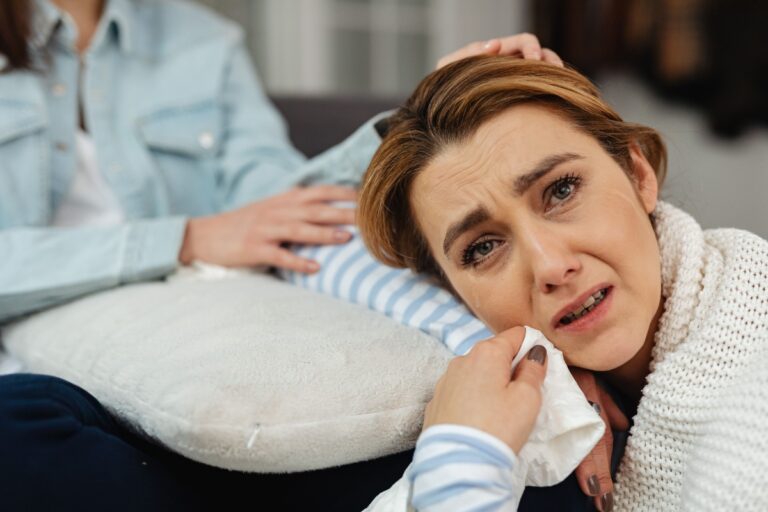
A panic attack is a sudden episode of intense fear or discomfort that comes with strong physical and psychological symptoms. It usually reaches its peak within minutes and can feel completely out of proportion to whatever is happening around you.
Common symptoms include:
- Racing heart or palpitations
- Chest pain or tightness
- Shortness of breath
- Hyperventilation
- Sweating
- Dizziness or lightheadedness
- Nausea
- Muscle tension
- Derealization, or a sense that things around you aren’t real
- Fear of losing control
- Fear of dying
The physical symptoms can be so intense that people often believe they’re having a heart attack, and emergency rooms see this regularly.
How Can Stress Trigger a Panic Attack?
When you’re under stress, the nervous system activates and releases hormones like adrenaline, which produces a faster heart rate, rapid breathing, sweating, muscle tension, and increased alertness. That response is useful when there’s an actual danger to deal with. The problem is that it fires whether or not the threat is real.
Under chronic stress, the nervous system becomes more sensitive and reactive, so it takes less to set it off. Someone might notice a racing heart, a wave of dizziness, or a tight chest and interpret the sensation as dangerous. That fear releases more adrenaline, which makes the physical symptoms stronger, which creates more fear. This cycle is how a stress response escalates into a full panic attack, often within a few minutes.
Hyperventilation adds to the problem. Breathing too fast changes the balance of carbon dioxide in the blood, which can cause lightheadedness, tingling in the hands and face, dizziness, and feelings of unreality.
Panic Attack vs. Panic Disorder
A panic attack is an event. Panic disorder is a pattern. Having one or even a few panic attacks doesn’t automatically mean someone has panic disorder.
Panic disorder generally involves recurrent, unexpected panic attacks along with at least a month of persistent fear of having another one, or changes in behavior because of that fear. Over time, people may start engaging in avoidance behaviors, and staying away from situations they associate with past attacks or where they worry an attack would be hard to manage, such as:
- Driving
- Crowded places
- Exercise
- Public transportation
- Places where a previous attack happened
Some people go on to develop agoraphobia, a fear of situations where escape or help might feel difficult, and this can put severe limits on a person’s day-to-day life.







How Can You Reduce the Risk of Stress-Induced Panic Attacks?
Panic attacks can’t always be prevented, but certain strategies can reduce overall stress and make symptoms easier to manage when they do come up.
Manage Chronic Stress
Build predictable routines, prioritize sleep, and address ongoing sources of stress where you can. During periods of prolonged pressure, take real breaks rather than pushing through, since the nervous system needs time to settle back to baseline.
Practice Slow Breathing
Rapid breathing and hyperventilation make panic symptoms worse. Slow, controlled breathing may help reduce hyperventilation and keep panic symptoms from escalating. It’s worth practicing when you’re calm so it’s familiar when you need it.
Use Mindfulness and Grounding
Mindfulness meditation can help you notice anxious thoughts and physical sensations without immediately reacting to them as dangerous. Grounding techniques, like naming objects you can see or focusing on the feel of your feet on the floor, shift attention back to the present moment.
Make Note of Personal Triggers
Poor sleep, excessive caffeine, major life changes, and prolonged stress make symptoms worse for some people. Pay attention to your own patterns rather than assuming your triggers match everyone else’s. Knowing what tends to precede your attacks gives you something concrete to work on.
When Should You Talk to a Psychiatric Provider?
Many people wait a long time before seeking help for panic attacks, often because they assume the attacks will stop on their own once a stressful period passes, or because they’re embarrassed that something with no obvious cause is affecting them so much. Sometimes the attacks do fade. But for many people, they don’t. Consider seeking professional help if:
- Panic attacks happen repeatedly
- You constantly worry about having another one
- You’ve started avoiding places or activities
- Symptoms interfere with work, relationships, or daily life
- You’re unsure whether your symptoms are caused by anxiety or a medical condition
A psychiatric evaluation looks at panic symptoms, chronic stress, family history, traumatic experiences, medications, medical conditions, and other anxiety or mood symptoms that may be contributing. Getting an accurate diagnosis is important because it determines whether your symptoms are related to panic disorder, another anxiety disorder, stress, or something else entirely, and each of those may need different types of treatment.
Contact Luxury Psychiatry Clinic Today
Stress can trigger panic attacks, but recurring panic symptoms are treatable. A personalized treatment plan may include cognitive behavioral therapy (CBT), exposure therapy, medication, coping strategies, or a combination of these.
At Luxury Psychiatry Clinic, our team provides a comprehensive evaluation and individualized treatment that addresses both your symptoms and the stressors underneath them. We take the time to understand what’s driving your panic rather than just treating the attacks themselves. If you’re ready to get started, reach out to schedule a confidential evaluation.