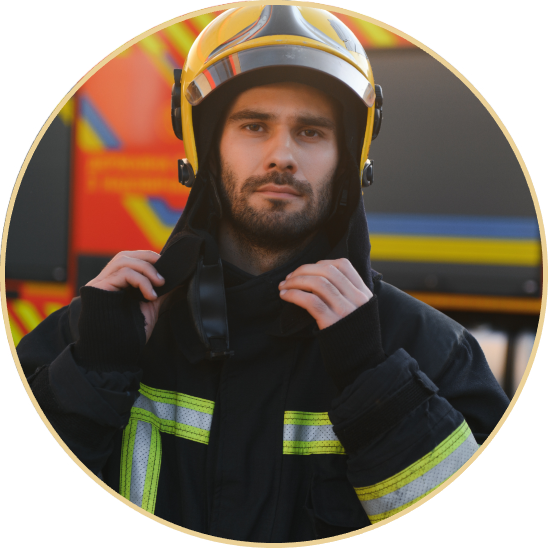
Firefighters face risks that go far beyond physical danger – long shifts, traumatic calls, and performance pressures can leave a serious impact on mental and emotional health. Acknowledging and caring for mental health conditions isn’t just good for the individual; it’s fundamental to job performance and building a healthy, lasting career.
That’s why seeking mental health care should be encouraged and supported at every firehouse, with the same commitment given to physical safety and training. At Luxury Psychiatry Clinic, we proudly work with high-pressure professions like firefighting, providing a support system that helps keep you at your strongest, physically and emotionally.
Common Mental Health Concerns Among Firefighters
Mental health problems are not unique to firefighters, but these individuals face a significantly heightened risk compared to the general population. For example, studies suggest that the lifetime risk of post-traumatic stress disorder in the general population is estimated at 6.8%, while as many as20% of firefighters and paramedics (as well as law enforcement officers) may meet criteria for post-traumatic stress at some point during their careers.
Experiencing mental health issues doesn’t mean someone is unfit for duty, but it’s essential to acknowledge these potential concerns and foster a culture where seeking help is viewed as a responsible and courageous act. Some common concerns firefighters face include:
Anxiety and Chronic Stress
Many firefighters experience tension andanxiety that lingers even after a shift ends. Some experience physical signs, such as a racing heart or episodes of panic, and find it difficult to relax, in their day-to-day life and their work life.
Depression
With repeated exposure to trauma or difficult calls, feelings of sadness, low motivation, and evendepression can develop. Mood changes may be gradual and are often tied to the accumulation of work-related stress.
Trauma and PTSD Symptoms
Strong images and memories from challenging calls can become intrusive unexpectedly, affecting sleep, causing nightmares, or leading to a sense of numbness or detachment. Some firefighters feel disconnected from their emotions or the people around them as a result.
Burnout
Signs often include cynicism, disengagement, difficulty finding joy on or off the job, increased irritability, and frequent physical complaints like headaches or trouble sleeping. You may also notice a sense of dread before a shift or feel disconnected from your usual sense of purpose.
Substance Abuse
Some first responders, like firefighters and EMTs, may turn to alcohol or other substances as a means of coping with ongoing stress, distressing memories, or difficulties winding down, which can raise the risk of addiction over time.
Irritability and Relationship Problems
Experiencing ongoing stress often spills over into family life, making it more challenging to communicate, connect, or manage minor frustrations. This can put significant tension on important relationships at home.
Significant Sleep Disruptions
The rotating shifts and unpredictable hours that are part of a firefighter’s job can make regular sleep nearly impossible. Many firefighters develop sleep problems like chronicinsomnia. When sleep is interrupted night after night, decision-making on the job and, therefore, personal and public safety suffer. Over time, untreated sleep disruptions can worsen anxiety, depression, and other mental health concerns.
If you’re a first responder facing any of these mental and behavioral health concerns, judgment-free mental health and psychiatric support is available. If it’s determined that you need a higher level of care, we can provide an appropriate referral.
Ready to Book An Appointment With Our Psychiatrists?
We understand that every firefighter’s experience and response to stress are different. This is why we offerpersonalized treatment options and medication when needed.
Medication Management (When Appropriate)
If medication is needed, each treatment plan is carefully tailored to your situation – we never use medication as a one-size-fits-all fix. Our primary goal is to offer relief from troubling symptoms while working hard to avoid or minimize unwanted side effects, such as fatigue or impairment that could hinder job performance. Dosages, changes, and overall progress are monitored regularly, with special attention to variable shift schedules and your ability to perform at work.
No matter what you need help with, our team can help you get on the right track to healing and feeling better on and off the job.
Therapy Options (Non-Medication)
Many firefighters benefit from structured forms of talk therapy that don’t require medication. For example, Cognitive Behavioral Therapy (CBT) is a cornerstone of clinical psychology. It is especially effective for learning how to manage stress, process trauma, and become more aware of negative patterns of thinking that may show up under high pressure. CBT is also trauma-informed, meaning each session respects your full experiences both on and off duty.
Counseling services give you the opportunity to talk openly and learn new coping strategies. This can improve your fitness for duty as well as your emotional well-being over time. Whether you’re looking for in-person or online services, we can provide you with appropriate mental health services.
Benefits of Psychiatry Services and Mental Health Care for Firefighters In Chicago
Firefighters who seek psychiatric and mental health care may notice numerous benefits that can improve their lives in various ways. Some of the primary benefits include:
Improved Focus and Decision-Making
Psychiatry outpatient services can help firefighters manage emotions under intense pressure and prevent the accumulation of stress from overwhelming them during difficult times. This enables better decision-making during emergency situations.
Support for Long-Term Careers
By offering tools for ongoing well-being, psychiatric care can help prevent burnout and keep dedicated first responders serving safely for many years.
Long-Term Mental Wellness
Psychiatry isn’t just about handling acute moments; it supports personal growth and helps build lasting resilience that can be relied upon at any time.
When Chicago Firefighters Should Reach Out For Care
Knowing when to seek help is a crucial step in protecting your mental health and building resilience for the challenges of firefighting. You should consider reaching out to our clinic if you notice any of the following:
You’re experiencing persistent sadness, hopelessness, or loss of interest in things you usually enjoy.
Suicidal thoughts, overwhelming anxiety, or fear are starting to affect your daily life or work.
Traumatic events at work have led to distress, like intrusive thoughts and memories or nightmares.
Sleep problems or irritability are becoming more frequent and are disrupting your personal or family life.
You’ve begun turning to alcohol or other substances as a way to cope with stress.
There’s no wrong time to connect with qualified professionals, and doing so can lead to many benefits.
Schedule a Confidential Appointment
Getting support doesn’t have to disrupt your life or add extra stress. Our providers have extensive experience and offer discreet, judgment-free consultations at our West Loop, Chicago, location. Our team accepts insurance, including Medicare and Medicaid, for patients in Chicago, Illinois, making quality care easily accessible. Appointments are designed to fit your demanding schedule – no pressure, just real support when you need it. Reach out today toschedule an appointment with one of our board-certified psychiatrists and get started on your path to better mental health.
* Any patient needing a controlled substance needs a face-to-face appointment with the provider prior to the prescription being sent to be compliant with the DEA guidelines.
Step 1
Select your desired appointment type.
Step 2
Choose your staff member and desired location or leave as “ALL,” and we will match you!
Step 3
Search for your date range and select from available times.