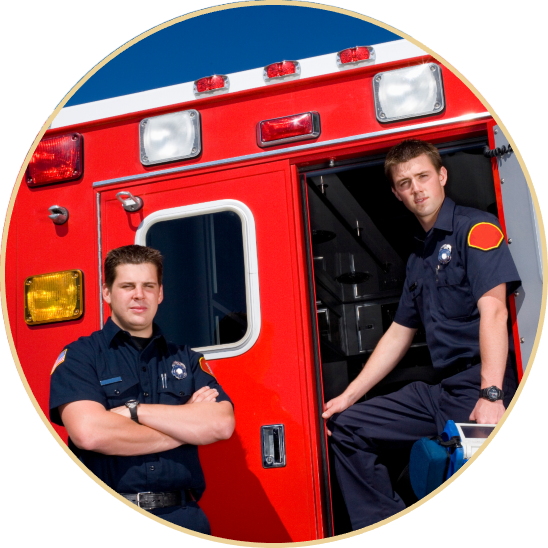
Emergency medical technicians (EMTs) in Chicago work in fast-paced, unpredictable environments where every call can carry life-or-death consequences. Day after day, EMTs are exposed to severe injuries, medical emergencies, and loss, often with little time to process what they’ve just experienced before the next call comes in. The emotional weight of making rapid, high-stakes decisions – knowing those choices directly affect patient outcomes – can quietly build over time. These pressures can take a serious toll on mental and emotional health, both on and off the job.
Understanding the Mental Health Challenges EMTs Face
Day after day, EMTs are called into unpredictable and emotionally intense circumstances, exposures that make mental and behavioral health a very real priority for Chicago’s first responders. Below are some of the common mental healthconcerns they face:
Acute and Chronic Stress
EMTs are trained to always “be ready,” and are faced with situations that cause adrenaline to surge. For some people, it’s hard to turn that off once a shift is over. Over time, persistent stress can lead to tension, ongoing fatigue, and irritability.
Depression and Emotional Fatigue
Years of seeing people die and become severely injured can take a toll on a person. Most of us don’t want to see or think about death every day, but EMTs don’t have that choice. Some first responders try to turn their feelings off to cope with this, and end up feeling hopeless or empty as a result.
Trauma Exposure and PTSD Symptoms
Encountering catastrophic injuries, graphic wounds, multiple and unexpected deaths, and other traumatic situations can lead to post-traumatic stress disorder and significant mental health concerns. This could include disturbing flashbacks, nightmares, and shutting down emotionally to try to avoid more pain.
Substance Use as a Coping Mechanism
The intense stress and disruption that come with emergency medical work can sometimes lead EMTs to rely on alcohol or other substances to unwind, sleep, or manage emotional strain. While this may begin as an attempt to cope, substance use can gradually increase, triggering or worsening underlying mental health concerns.
Sleep Disruption and Irregular Schedules
Irregular shifts, overnight calls, and unpredictable schedules make consistent sleep difficult for many EMTs. Ongoing sleep disruption can interfere with emotional regulation and mental recovery, often worsening symptoms of anxiety, depression, irritability, and chronic fatigue over time.
Compassion Fatigue and Burnout
Spending every shift helping people in crisis can slowly wear down even the most dedicated EMT. Constantly giving emotional energy to others, often without time to recover, can lead to profound physical and mental fatigue.
Many EMTs begin to feel drained before a shift even starts, lose motivation for work they once cared deeply about, or feel a growing sense of dread about returning to duty. Over time, this exhaustion can turn intoburnout, marked by disengagement, reduced job satisfaction, and feeling emotionally spent from always being the one others rely on.
Ready to Book An Appointment With Our Psychiatrists?
We understand that every firefighter’s experience and response to stress are different. This is why we offerpersonalized treatment options and medication when needed.
Medication Management (When Appropriate)
If medication is needed, each treatment plan is carefully tailored to your situation – we never use medication as a one-size-fits-all fix. Our primary goal is to offer relief from troubling symptoms while working hard to avoid or minimize unwanted side effects, such as fatigue or impairment that could hinder job performance. Dosages, changes, and overall progress are monitored regularly, with special attention to variable shift schedules and your ability to perform at work.
No matter what you need help with, our team can help you get on the right track to healing and feeling better on and off the job.
Therapy Options (Non-Medication)
Many firefighters benefit from structured forms of talk therapy that don’t require medication. For example, Cognitive Behavioral Therapy (CBT) is a cornerstone of clinical psychology. It is especially effective for learning how to manage stress, process trauma, and become more aware of negative patterns of thinking that may show up under high pressure. CBT is also trauma-informed, meaning each session respects your full experiences both on and off duty.
Counseling services give you the opportunity to talk openly and learn new coping strategies. This can improve your fitness for duty as well as your emotional well-being over time. Whether you’re looking for in-person or online services, we can provide you with appropriate mental health services.
When It’s Time For EMTs to Seek Mental Health Treatment
Taking care of your mental health is just as important as maintaining your physical fitness, especially when the daily pressures of EMS work start affecting how you feel or perform. Early recognition and reaching out for support can make a substantial difference for your well-being on the job and at home. Here’s when it’s important to ask for help:
Significant and Lasting Changes in Mood, Energy, or Motivation
If you notice persistent irritability, mood swings, frustration, or reduced motivation that lasts more than a few days or a week, it might be a good idea to seek professional help.
Chronic Fatigue and Trouble Recovering Off-Shift
When nights of restless sleep or physical exhaustion become a regular experience, it might be a sign that you could benefit from mental health care. Your body needs rest to heal itself, and if you’re not getting it, all of your problems are going to feel much bigger.
Trouble Processing Calls
Frequent nightmares, vivid flashbacks from past emergencies, and constant worry are signs that your work is impacting your life in a significant way. Addressing these troubling patterns before they snowball even more is important.
Increasing Dependence on Substances or Other Unhealthy Habits
If using alcohol or other substances feels like your only option for getting some sleep or taking your mind off of work and the difficult scenes you’ve dealt with, you should consider getting help so you can find healthier ways to cope.
Getting mental health treatment as early as possible is important, so don’t be afraid to ask for help, even if you think things aren’t “that bad” yet.
Psychiatric Medication Management for EMTs
For EMTs needing rapid symptom relief but who are cautious due to the demands of emergency work, thoughtful psychiatric medication management can be a great intervention. There’s no one-size-fits-all solution, so it’s important to find a team that understands your life and what kind of help you really need. Here’s what we can offer for paramedics who need help with mental health issues:
Individualized Treatment Planning
Medication decisions are made based on your specific mental health condition and symptoms, health history, and work routine. Treatment plans are built around your schedule and responsibilities rather than forcing you to adjust to a rigid approach.
Emphasis on Safety and Mental Clarity
Medication choices are selected with job performance in mind. Care is taken to avoid options that could lead to slow response time or leave you feeling foggy during a shift.
Ongoing Monitoring and Adjustments
Mental health treatment is not static. Regular follow-ups allow providers to evaluate how well a medication is working, address side effects, and make changes as your needs evolve over time.
Seeking help can be a difficult step for many people, but it can be a great way to improve your mental and physical wellness and get your life back on track.
Therapy and Non-Medication Treatment Options
Many EMTs find that psychotherapy, eitheron its own or alongside medication, offers meaningful relief. Non-medication approaches are especially helpful for processing trauma and managing chronic stress.
Evidence-Based Psychotherapy for EMTs
Trauma-informed therapies are often used to help EMTs and paramedics work through difficult experiences and reduce lingering emotional distress. Depending on individual needs, treatment may include approaches like cognitive processing therapy,eye movement desensitization and reprocessing (EMDR), or dialectical behavior therapy.
Cognitive behavioral therapy (CBT) is also widely used to help manage stress reactions, improve sleep patterns, and address thought patterns that develop under constant pressure.
Additional Supportive Approaches
Some EMTs explore less traditional options and mental health services such as transcranial magnetic stimulation (TMS) when traditional treatments have not been enough. Others benefit from practical lifestyle changes, such as learning about mindfulness, and from outpatient programs/group therapy that reduce isolation and reinforce healthy coping strategies.
Ultimately, mental health care is about protecting your well-being while allowing you to continue doing meaningful work without sacrificing yourself in the process.
Contact Luxury Psychiatry Clinic to Schedule a Consultation
If you’re an EMT or first responder (or have a loved one who is) seeking help for anxiety, depression, stress, PTSD, bipolar disorder, obsessive compulsive disorder (OCD), or other mood disorder or mental illness, Luxury Psychiatry Clinic is here to support your recovery. Our experienced team can recommend a range of treatment modalities, including individual therapy, medication management, or support groups, always tailored to your unique needs and schedule.
Whether you need a referral for more intensive inpatient care or would benefit from our mental health services, we are happy to provide the appropriate resources for your needs. Schedule a confidential consultation withLuxury Psychiatry Clinic in Chicago, Illinois, today, and let us guide you toward recovery. Our board-certified psychiatrists are here to help in any way we can.
* Any patient needing a controlled substance needs a face-to-face appointment with the provider prior to the prescription being sent to be compliant with the DEA guidelines.
Step 1
Select your desired appointment type.
Step 2
Choose your staff member and desired location or leave as “ALL,” and we will match you!
Step 3
Search for your date range and select from available times.