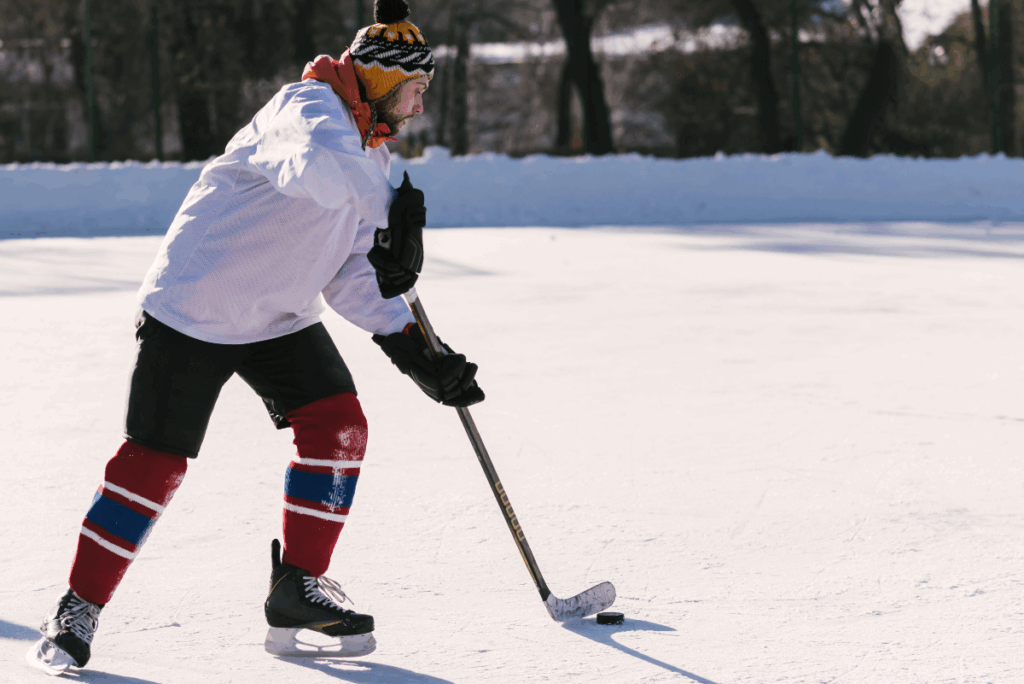
Psychiatry Services for Hockey Players & Blackhawks Fans

Reviewed by: Michelle Dees, MD | Last Reviewed: 6/4/2025
Luxury Psychiatry offers mental health treatment to hockey players and fans in the Chicago area

In the fast-paced world of ice hockey—from youth hockey to the National Hockey League—mental health often takes a back seat to physical conditioning. But whether you’re a high school defenseman, an AHL hopeful, or a die-hard Chicago Blackhawks fan who feels the emotional highs and lows of every Stanley Cup season, prioritizing your mental well-being is just as essential as sharpening your skates. Luxury Psychiatry Clinic, located in the heart of the Chicago area, offers specialized mental health support for hockey players, coaches, and fans alike. We understand that student athletes and professional hockey players face unique psychological stressors—performance pressure, concussions, negative thoughts, and transitions on and off the ice.

That’s why we offer more than just traditional psychiatry. Our clinic specializes in non-medication treatments that promote long-term wellness and on-ice focus. Options like TMS therapy, Exomind neurostimulation, and Spravato (esketamine) therapy help target treatment-resistant mental health issues without relying solely on medication. Whether you’re recovering from a tough game, dealing with anxiety about your role on the hockey team, or managing the psychological impact of a concussion, our approach is designed to improve both mental skills and emotional resilience.

Do Hockey Players Struggle with Mental Health

Hockey players—whether competing in youth leagues, the AHL, or the National Hockey League (NHL)—face real and often overlooked mental health challenges. Recent studies show that nearly 1 in 4 professional hockey players report symptoms of anxiety or depression, with mental health issues ranging from sleep disturbances and alcohol misuse to burnout and eating disorders. Players who have sustained multiple concussions are particularly at risk, with those experiencing three or more concussive events showing over three times greater odds of clinical burnout. Even after retirement, former NHL players report high rates of depression, anxiety, and substance abuse, suggesting that mental illness often follows players well beyond their time on the ice.

The culture of ice hockey, especially at the elite level, often emphasizes toughness and stoicism—traits that can make it harder for players to speak up about their struggles. The pressure to perform, constant travel, physical injuries, and career instability all contribute to a heavy mental burden, particularly for positions like goalie or defenseman that carry unique responsibilities. At Luxury Psychiatry Clinic, we understand these pressures and offer treatments tailored for current and former players, as well as fans. Our services—including non-medication therapies like TMS, Exomind neurostimulation, and Spravato—are designed to support lasting mental wellness both on and off the ice.

Luxury Psychiatry | Psychiatry for Hockey Players & Blackhawks Fans

What Issues Do Hockey Players Struggle With?

Mental health issues among hockey players can be complex and deeply rooted in the culture of the sport. From the physical toll of gameplay to the high-pressure expectations of teammates, coaches, and fans, hockey athletes at all levels—high school, collegiate, AHL, and NHL—can find themselves silently battling emotional distress. While the conversation around mental health awareness in sports has grown in recent years, stigma still exists in ice hockey, especially when it comes to seeking support. Below are some of the most common mental health challenges faced by players in the Chicago area and beyond:


  • Anxiety & Performance Pressure: The demand to win, keep a spot on the roster, or meet the expectations of a head coach can create intense anxiety, especially in goalies or younger players experiencing the sport at a high level for the first time.
  • Depression: Depression is frequently reported in both current and retired professional hockey players, particularly following injuries, concussions, or during the off-season when structure and team support may be lacking.
  • Concussion-Related Mood Disorders: Head trauma is a major concern in ice hockey. Multiple studies show that repeated concussions can significantly increase the risk of depression, irritability, and emotional dysregulation.
  • Burnout & Emotional Fatigue: The grueling schedule of the NHL and other leagues can lead to chronic exhaustion, detachment, and a loss of enjoyment—even in those who once loved the game.
  • Substance Use: Alcohol and other substances are sometimes used to cope with stress, pain, or insomnia. Former NHL players have reported turning to self-medication after leaving the sport.
  • Identity Loss After Retirement: Leaving the sport—whether due to injury or age—can trigger a loss of identity, especially for those who’ve built their entire sense of self around being a hockey player.
  • Sleep Issues: Late-night games, travel across time zones, and post-concussion symptoms often contribute to disrupted sleep, which in turn affects mood, focus, and overall well-being.
  • Negative Thoughts & Isolation: Many players internalize their struggles, fearing judgment or a loss of opportunity. This leads to isolation, worsening mental health symptoms over time.


At Luxury Psychiatry Clinic, we recognize that mental health issues can affect anyone connected to the sport—whether you’re a student athlete, a professional hockey player, or a lifelong Chicago Blackhawks fan. With innovative and athlete-conscious treatment options, our goal is to help every patient regain their confidence, sharpen their mental performance, and build resilience that lasts beyond the rink.

Traditional Psychiatry vs. Non-Medication Treatment

Traditional psychiatry often focuses on diagnosing mental illness and prescribing medication to manage symptoms like depression, anxiety, or mood swings. For many hockey players and student athletes, this route can be effective—especially when symptoms are severe or linked to neurological issues like concussion-related depression. However, medication isn’t always the right fit for every athlete. Side effects, stigma, or personal preference can lead some players, coaches, or even fans to look for other solutions to improve their mental performance and emotional well-being.

At Luxury Psychiatry Clinic in the Chicago area, we specialize in both traditional and non-medication treatments. Our non-pharmaceutical options include TMS therapy, Exomind neurostimulation, and Spravato (esketamine) therapy—all FDA-approved or cutting-edge therapies for treatment-resistant conditions. These approaches are particularly helpful for athletes who want to stay sharp on the ice without relying solely on medication. Whether you’re a professional hockey player recovering from burnout or a young goalie managing performance anxiety, our clinic offers flexible and effective treatment paths tailored to your individual needs.

Luxury Psychiatry | Psychiatry for Hockey Players & Blackhawks Fans

Ready to Book An Appointment With Our Psychiatrists?

Luxury Psychiatry | Psychiatry for Hockey Players & Blackhawks Fans

Benefits of Non-Medication Treatment

No Daily Meds or Side Effects

Non-medication treatments like TMS and Exomind offer powerful results without the need for daily pills. This can be especially beneficial for hockey players and student athletes who want to avoid common side effects such as fatigue, weight gain, or cognitive fog—issues that can affect on-ice performance and daily functioning.


Safe for Long-Term Use

Unlike certain medications that require close monitoring, treatments like Spravato (esketamine therapy) and TMS are safe for long-term mental health management under clinical supervision. They can be used alongside talk therapy or independently, giving athletes more control over their mental wellness plan.


Targeted for Performance & Recovery

Non-medication therapies are designed to enhance cognitive function, improve mood, and restore emotional balance—key factors for hockey players facing burnout, negative thoughts, or anxiety before big games. These treatments help restore mental clarity and resilience without numbing the drive or competitive edge needed on the ice.


Ideal for Concussion Recovery

For athletes dealing with post-concussive symptoms, medication isn’t always the safest option. TMS and Exomind target the brain’s neural pathways without introducing chemicals, making them promising alternatives for players recovering from mild traumatic brain injuries.


Supports a Holistic Mental Health Strategy

Whether you’re an NHL player or a local high school defenseman, non-medication treatments can complement existing therapy or coaching strategies. They support total wellness, helping players build mental skills, manage stress, and achieve lasting well-being—both in and out of the rink.

Luxury Psychiatry | Psychiatry for Hockey Players & Blackhawks Fans

Types of Mental Health Treatment We Offer

At Luxury Psychiatry Clinic, we offer a wide range of mental health treatments tailored to the needs of hockey players, coaches, and fans—from youth hockey in the suburbs to professional athletes in the National Hockey League. Whether you’re managing anxiety after a concussion, navigating the emotional ups and downs of a Stanley Cup season, or supporting a student athlete in the Chicago area, our evidence-based treatments are designed to improve mental performance, focus, and long-term wellness.


Cognitive-Behavioral Therapy (CBT)

A goal-oriented therapy that helps players identify and reframe negative thoughts, manage performance anxiety, and develop healthy coping strategies both on and off the ice.


Traditional Psychotherapy

Talk therapy provides a safe space to process identity loss, trauma, team dynamics, and emotional challenges related to competition, injury, or career transition.


TMS Therapy

Transcranial Magnetic Stimulation (TMS) is a non-invasive treatment for depression and anxiety, ideal for athletes looking to enhance their mental clarity without medication.


Exomind TMS Therapy

Our advanced form of TMS, Exomind uses personalized brain-mapping technology to improve outcomes—helping hockey players boost focus, reduce stress, and recover mentally after difficult seasons or injuries.


Ketamine (Spravato) Therapy

FDA-approved for treatment-resistant depression, Spravato is administered as a nasal spray under medical supervision. It’s particularly useful for players dealing with post-concussive depression or emotional burnout.


Medication Management

For those who do benefit from psychiatric medication, Dr. Michelle Dees provides careful, individualized medication plans—ideal for balancing effectiveness with minimal side effects that won’t interfere with athletic performance.

Schedule Your First Consultation Today

If you’re a hockey player, coach, or passionate Blackhawks fan who’s been struggling with mental health, you’re not alone—and you don’t have to face it in silence. At Luxury Psychiatry Clinic, we provide discreet, personalized care that meets the unique needs of athletes and sports enthusiasts in the Chicago area. Whether you’re dealing with performance anxiety, post-concussion symptoms, or emotional burnout, our expert team is here to help you find the right treatment.

We offer free insurance verification and flexible appointment options, including telehealth for those on the go during hockey season. Call our office or click the button below to schedule your first consultation with Dr. Michelle Dees. Let’s find the treatment that gets you back to feeling focused, resilient, and in control—on and off the ice.

Schedule your appointment:

* Any patient needing a controlled substance needs a face-to-face appointment with the provider prior to the prescription being sent to be compliant with the DEA guidelines.

  • Step 1
    Select your desired appointment type.
  • Step 2
    Choose your staff member and desired location or leave as “ALL,” and we will match you!
  • Step 3
    Search for your date range and select from available times.

We Look Forward to Seeing You!

Additional Illinois Insurances Accepted at Our Chicago Location

Policy, Procedures & Forms

Click on the items below to download forms. 

Release of Information Form

Review Our Policies and Procedures

Download Intake Forms