
How to Make a Full Mental Recovery from Hurricane Milton & Helene

The devastation caused by back-to-back hurricanes like Milton and Helene can take a significant toll on mental health, leading to anxiety, depression, and even post-traumatic stress disorder (PTSD). The road to a full mental recovery after such traumatic events involves acknowledging the emotional impact and seeking the appropriate support. Individuals affected by the storms may […]
How Long Does Wellbutrin Insomnia Last? – Understanding Its Side Effects

Wellbutrin (bupropion) is a widely used antidepressant known for treating major depressive disorder (MDD), seasonal affective disorder (SAD), and assisting with smoking cessation. While it offers many benefits, one of the common side effects experienced by patients is insomnia. Typically, insomnia associated with Wellbutrin occurs shortly after starting the medication, as its stimulating effects can […]
Does Wellbutrin Help with Anxiety?

Wellbutrin, the brand name for bupropion, is an antidepressant primarily prescribed to treat major depressive disorder (MDD) and seasonal affective disorder (SAD). While Wellbutrin is not typically the first line of treatment for anxiety, it has shown some effectiveness in helping certain individuals manage anxiety symptoms, particularly when they coexist with depression. Unlike selective serotonin […]
What Are Common Causes of Anxiety in College Students?
Anxiety in college students can stem from a variety of factors related to their academic and social environment. One of the most significant causes is academic pressure. College students often face intense workloads, looming deadlines, and the constant stress of maintaining good grades, which can lead to heightened anxiety levels. The transition from high school […]
Can You Get TMS for OCD? – Is It Effective?
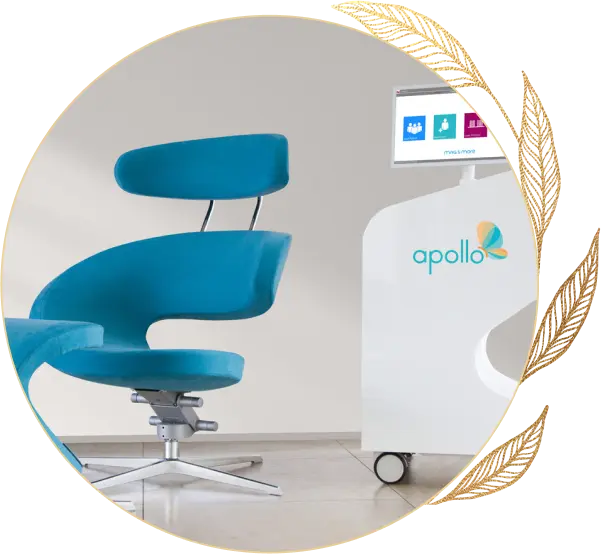
You can get Transcranial Magnetic Stimulation (TMS) for Obsessive-Compulsive Disorder (OCD). TMS is an FDA-approved treatment for OCD that uses magnetic fields to stimulate nerve cells in specific areas of the brain associated with mood regulation and anxiety control. For individuals who have not responded to traditional treatments like medication or cognitive-behavioral therapy (CBT), TMS […]
Why Do We Get So Depressed at Night? – Understanding Nighttime Depression

Nighttime depression, a phenomenon where feelings of sadness and hopelessness intensify as the evening progresses, is a common experience for many. Several factors contribute to this worsening of mood during the night. One key reason is the body’s circadian rhythm, which regulates the sleep-wake cycle and affects overall mental health. As natural light exposure decreases […]
Folic Acid and Its Influence on Anxiety and Depression

Folic acid, also known as vitamin B9, plays a vital role in mental health, particularly in relation to anxiety and depression. It aids in the production of neurotransmitters such as serotonin and dopamine, which are essential for mood regulation. Low levels of folate have been linked to an increased risk of mood disorders, including major […]
After Ketamine Therapy Should I Expect Ketamine Withdrawal?

Ketamine therapy, particularly when administered in a controlled clinical setting such as at Luxury Psychiatry Clinic, is designed to minimize the risk of withdrawal symptoms. Unlike opioids or benzodiazepines, ketamine does not typically produce physical dependence in the same way. However, some individuals may experience mild psychological cravings or mood fluctuations as their bodies adjust […]
Where Does Ketamine Come From?

Ketamine, originally synthesized in 1962, was developed as an anesthetic by scientists searching for a safer alternative to phencyclidine (PCP). The synthesis of ketamine involves a complex chemical process that starts with cyclohexanone, a chemical compound derived from petroleum. Through a series of reactions, including condensation with o-chlorobenzonitrile, the creation of ketamine is achieved. The […]
Is Ketamine a Psychedelic? – How Safe is Ketamine Treatment?

Ketamine is classified as a dissociative anesthetic, but it also exhibits properties commonly associated with psychedelics. Unlike classical psychedelics such as LSD or psilocybin, which primarily affect serotonin receptors, ketamine primarily targets the NMDA receptors in the brain. This unique mechanism results in profound alterations in perception, mood, and cognition, often leading to what some […]