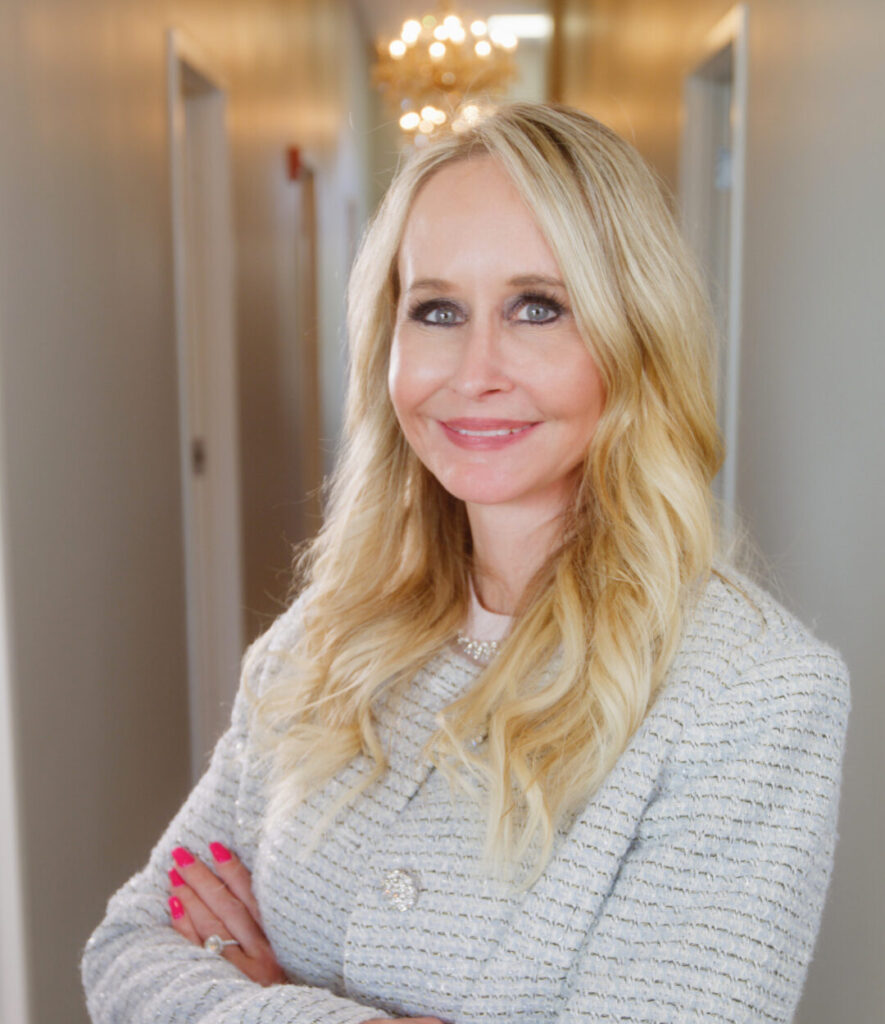
We’re proud to share that Dr. Michelle Dees, board-certified psychiatrist and founder of Luxury Psychiatry Clinic, is the author of a newly published, peer-reviewed clinical study examining the effects of ExoTMS® on mental well-being in postmenopausal women.
The study, “Enhancing the Mental Well-Being of Postmenopausal Women Using ExoTMS®,” was published in Mental Wellness, an international, open-access scientific journal focused on evidence-based mental health research.
Why Postmenopausal Mental Health Deserves Attention
Mental well-being often changes during menopause due to hormonal shifts—particularly declining estrogen levels—which can affect the dorsolateral prefrontal cortex (DLPFC), a brain region responsible for mood regulation, attention, decision-making, and emotional control. Research shows that symptoms such as anxiety, depression, cognitive fog, and emotional dysregulation may become significantly more prevalent during this stage of life.
Dr. Dees’s study builds on this understanding by exploring whether targeted transcranial magnetic stimulation (TMS) can help restore balance and improve overall mental well-being in postmenopausal women.
Study Overview and Methodology
This retrospective analysis examined 14 postmenopausal women (average age 61.8) who participated in a multi-center clinical study conducted across three U.S. sites. Participants underwent four ExoTMS® treatment sessions targeting the left DLPFC, using high-frequency stimulation designed to promote neuroplasticity.
Mental well-being was evaluated using the Warwick–Edinburgh Mental Well-Being Scale (WEMWBS)—a validated clinical tool—along with structured patient satisfaction and comfort questionnaires. Follow-ups were conducted immediately post-treatment, at one month, and at three months.
Key Findings from the Study
The results were notable:
- WEMWBS scores increased significantly, rising from moderate well-being at baseline to high well-being at three months (p = 0.001)
- 92.9% of participants showed improvement in overall mental well-being
- All participants reported feeling less stressed, and the majority reported improved mood, focus, mental energy, and sleep quality
- No adverse events or significant side effects were reported, and all participants found the treatment comfortable
By the three-month follow-up, the number of participants classified as having high mental well-being had increased 2.75-fold compared to baseline.
What This Research Means for Patients
This study suggests that ExoTMS® may be an effective, well-tolerated intervention for enhancing mental well-being in postmenopausal women—particularly those experiencing stress, anxiety, low mood, or cognitive symptoms who may not want to rely solely on medication.
Importantly, Dr. Dees also addresses the study’s limitations, including the small sample size and lack of a control group, while emphasizing the need for larger, long-term studies. This transparency reinforces the study’s scientific integrity and clinical relevance.
Advancing Evidence-Based, Hormone-Aware Psychiatry
Dr. Dees’s publication in Mental Wellness adds a scientific foundation to her clinical work with neuromodulation and women’s mental health. It also complements her recent features in Vogue, where she has been recognized as an expert voice on menopause-related mental health and innovative treatment options.
At Luxury Psychiatry Clinic, research-informed care is central to how we support patients. We integrate advanced treatments like ExoTMS® and TMS with comprehensive psychiatric evaluation, psychotherapy, and individualized care planning—ensuring each patient receives thoughtful, evidence-based support at every stage of life.